 |
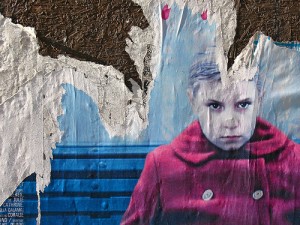
Screening Time: Thursday, October 22 at 7 PM in Oeschle 224 Director: Julie Gavras / 2006 France, Italy. Based on Domitilla Calamai’s novel Tutta colpa di Fidel. |
Synopsis: Anna is a nine-year old precocious girl. Her life is rather simple and comfortable, regulated by habits and order. Her family is wealthy; she goes to a private religious school and often visits her grandparents who have a wine estate in Bordeaux. One day, her father’s sister is forced to leave Spain – her husband has just been killed by Franco’s police force. This event is experienced as an electroshock by Anna’s parents and they change their political views radically. Both become left-wing revolutionaries and Anna’s stable life goes awry. Women’s rights, freedom of speech, democracy and demonstration are now at the forefront of Anna’s parents lives. At first, Anna is not interested in any of it. She strives to hold on to the comfort she is used to and she is very unhappy when the family moves to a smaller apartment. She also has to adapt to her parents’ new lifestyle as they have less time to take care of her. Yet, she also tries to make sense of the larger political events that shake her life and she does not settle for the simplistic answers that adults give children.
Review: “One of those rare films that maintain unwavering fidelity to a child’s view of the world (a lineage that includes ‘The 400 Blows’ and ‘Lukas Moodysson’s Together’). It’s not [merely] a snapshot of the revolutionary politics of 1970-71; it’s about the upheavals of childhood, which are timeless and universal.” Tom Beer, Time Out New York
I really enjoyed watching this film. It held my interest and kept me thoroughly entertained. Although there were several comedic moments in the movie, the scene I found most interesting was the first demonstration Anna attended with her parents and brother. Her parents kept pushing the concept of group solidarity onto her and how things can only be accomplished when several people stand up together for something and fight for their beliefs. During the demonstration, Anna seemed confused, impatient and ready to go home. When the situation turned frightening because the protestors were getting chased and harmed, Anna just stood there in shock and fear, and the film made it so everything was silent and in slow-motion around her. She was all alone, not sure what to do, when suddenly her dad runs back to her and shouts, “You have to run!” This scene stuck with me because I think it shows a loss of some of Anna’s innocence. She had never been to a protest before and had no idea what it was about, and once she experienced it she was exposed to not only the idea of group solidarity but to the dangers that can come with having strong beliefs and fighting for them.