Malik Yakini: a profile by Harrison Zoller
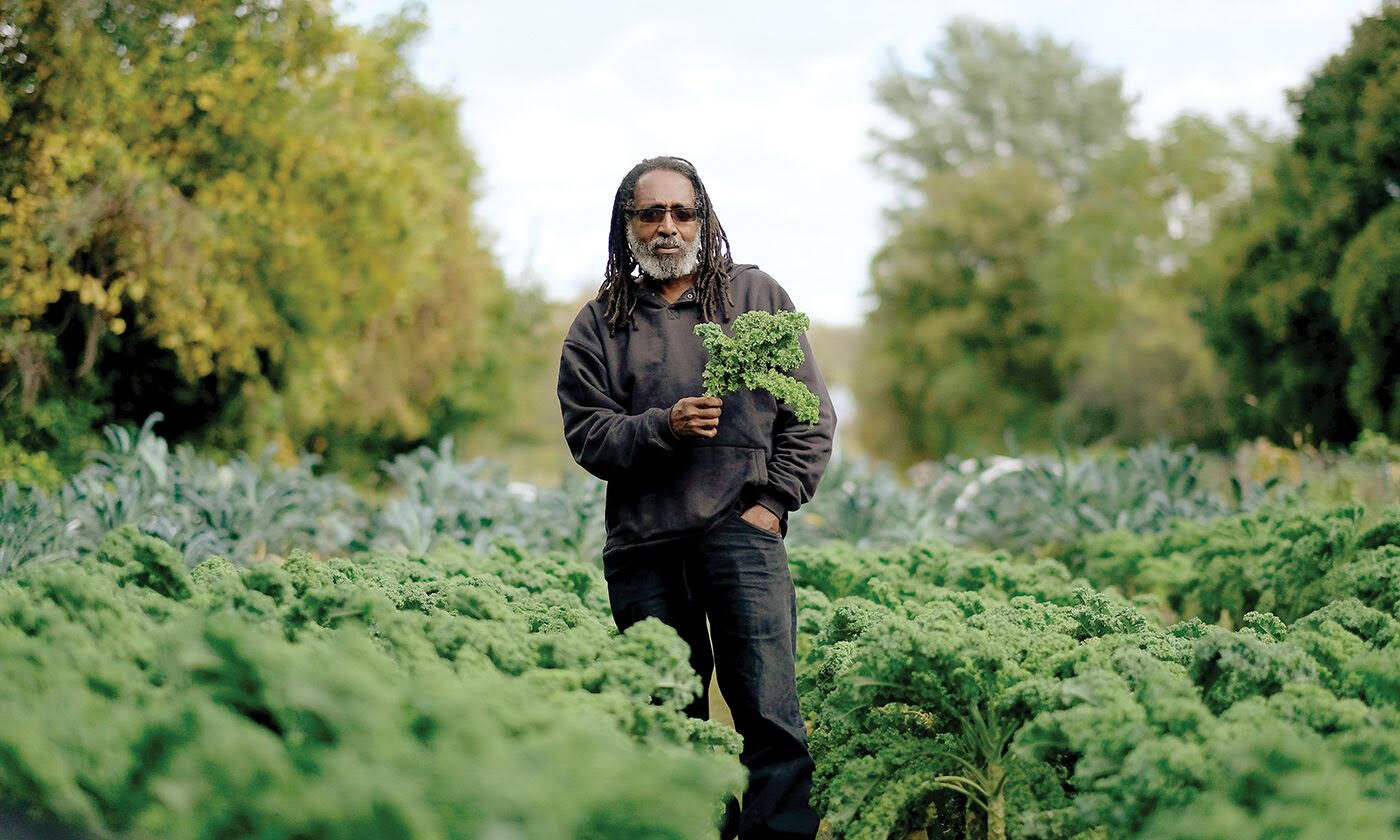
I chose to introduce Malik Kenyatta Yakini, a pivotal figure in transforming Detroit’s post-industrial decline into a blueprint for Black food sovereignty. The 1967 Detroit Riots led to a racialized-exodus of capital and people; the city’s shrinking population, empty storefronts, and soaring poverty rate created a landscape that activists now recognize as a food apartheid. Inspired by Malcolm X’s “Message to the Grassroots,” Yakini advanced prefigurative politics through free‑breakfast programs and buying clubs at Eastern Michigan University, co‑founded the African‑centered Nsoroma Institute, and ultimately established the Detroit Black Community Food Security Network (DBCFSN). DBCFSN’s flagship D‑Town Farm and the Detroit People’s Food Co‑op have brought self-liberation to the residents of Detroit by leading them to look beyond food security and instead towards food sovereignty, challenging Detroit’s models of extractive urban economies through cooperative economics. Framed by journalist Ken Thomas’s observation that we are rarely prepared for social disturbances, this podcast argues that sustained, locally rooted action can transform abandoned land – and an entire foodshed – into fertile ground for collective self‑determination. Yakini’s trajectory demonstrates how cultural reclamation, policy advocacy, and grassroots practice can reimagine urban space in the wake of structural violence.
In this podcast, you focus a lot on the self-determination, community and sovereignty aspects of Malik Yakinis career, which we have addressed in class regarding several different food movements. Much of what he has done for Detroit has been based in fostering community engagement, which greatly relates to the concept of CACR, not just achieving sovereignty for these communities but teaching them how to achieve and maintain it for themselves. I liked how you discussed his inspirations and how he first became interested and involved in food movements, giving this extra context behind his motivations and showing why he has worked so hard, as it is a personal issue for Yakini.
I enjoyed the dramatic opening of your podcast; I think it did a great job of introducing your subject matter in an attention-grabbing way.
Your introduction of Yakini after setting up the historical background was also well done, as it highlighted the small, personal changes resulting from the Detroit riots and subsequent white flight.
I enjoyed learning about Yakini’s efforts to educate children nutritionally and agriculturally, especially after doing extensive research on the National School Lunch Program for my previous podcast. Small scale ideas like this have a lot of value and would be largely impactful if implemented on a national level.
I really liked how you opened your podcast; it captured me and was an interesting introduction. It was good to learn more about the history of Detroit, which set the tone for the rest of the podcast. I also liked learning more about Yakini and his interest in food sovereignty. It was an eye-opener to learn more about the Detroit Black Community Food Security Network since we briefly touched on it in class. Yakini is an interesting subject as it teaches us that self-determination, passion, and motivation towards something that we care about are a powerful way to achieve something greater than ourselves.
I really liked how you opened your podcast; it captured me and was an interesting introduction. It was good to learn more about the history of Detroit, which set the tone for the rest of the podcast. I also liked learning more about Yakini and his interest in food sovereignty. It was an eye-opener to learn more about the Detroit Black Community Food Security Network since we briefly touched on it in class. Yakini is an interesting subject as it teaches us that self-determination, passion, and motivation towards something that we care about are a powerful way to achieve something greater than ourselves.