Wendell Berry: a profile by Sebastian Bjorkeson
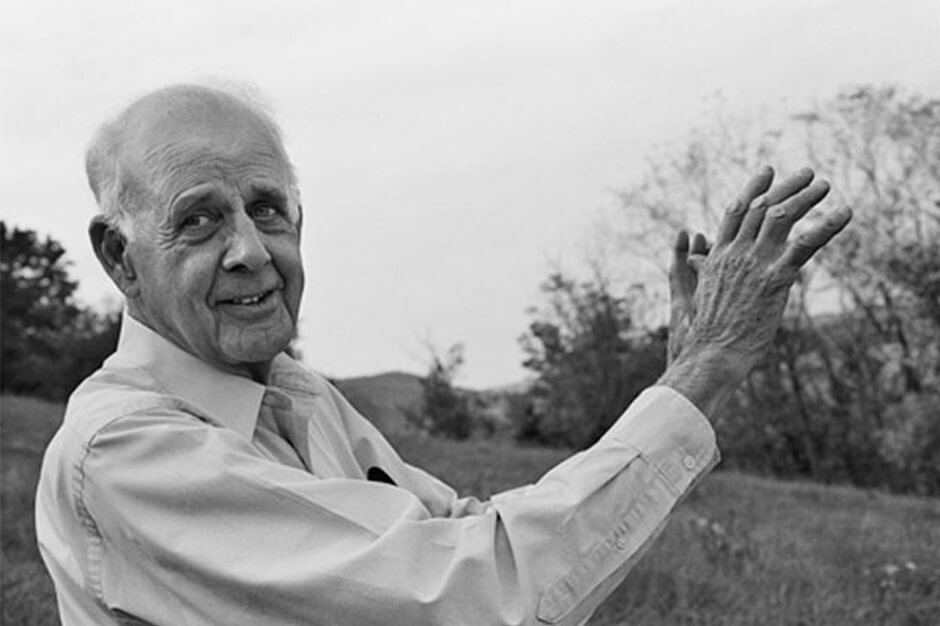
Wendell Berry is widely recognized as a farmer, environmentalist, and advocate for sustainable agriculture, but his greatest influence may come from his literary works. Through poetry, fiction, and essays, Berry has shaped environmental thought, agrarian movements, and the local food movement. His writings emphasize a deep connection to place, the importance of community, and the consequences of industrialization on rural life. This podcast explores Berry’s literary impact, focusing on how his works continue to inspire sustainable practices and a reevaluation of modern living. From his poetic meditations on nature to the fictional world of Port William and his influential essays on land stewardship, Berry’s literature serves as both a critique of contemporary society and a guide for a more sustainable future.
(A) Toughest podcast opening I’ve ever heard. Beyond that, your episode highlights the importance of letting personal passion guide your career and life. You shared, “Berry believed that real knowledge, real wisdom, came from being deeply connected to place, to community, to land.” That connection is evident in his decision to return to Kentucky and pursue agriculture rather than remain in academia. He recognized the importance of praxis—applying academic theory in the environment he called home. As Berry warns, “If you don’t know where you are, you don’t know who you are.” Through your narrative, I saw how his grounded approach shaped environmental thought, agrarian movements, and the local food movement. His words still resonate today because he wasn’t preaching to a choir, but rather speaking with warmth and passion to those who would listen. Berry’s influence endures because he embodied his principles, standing firm in his beliefs and his community. His writings didn’t just theorize change; they modeled a way of life that inspired the agricultural movements of the late twentieth century.
(B )I enjoyed how you explored different mediums of his work. Including a poetry reading humanizes him and creates a characterization not found in the academic texts we usually encounter. You noted that literature shapes our understanding of the world, and few writers have done so as powerfully as Wendell Berry. Hearing his own voice describe “where the wood drake rests in his beauty on the water, and the great heron feeds” brings a sense of peace and reminds me of why we engage with literature and study these themes. His appreciation for the world around him characterizes his “slow food” movement as considerate, careful, and compassionate.
(C) I’m not sure I have much criticism. Although your recording nearly clocks two minutes under the maximum length, each section feels thought out. Your inclusion of class terms like “industrial farming, urban sprawl, and destruction of local economies” creates a basis for Berry’s ideas. My feedback comes from curiosity rather than critique: I would have loved to hear more about his activism and what his education and interests looked like before he returned to Kentucky. Did he move back and immediately begin writing, or did he pursue another profession that ultimately led him to activist work? In other words, I got an idea of his activist-profile, but I would like a more fletched out personal-profile.
A) It was interesting to learn that Berry believed that connection to the land was so important and what mattered . He wrote poetry and novels which was cool to learn.
B) I liked how you used media in the introduction. I liked how you started with a quote in the beginning which I thought was a powerful opening. Also, I liked how you focused on what we could do in our own lives to reflect Berry’s.
C) I don’t have much to criticize although it was 2 minutes shorter than it short have been.
Although we talked about Wendell Berry in class, I didn’t know a substantial amount about him before listening to your podcast. One point that stood out to me was his sit in protest in the Kentucky Governor’s office to protest mountaintop removal. Similar to many of the environmental activists we’ve learned about, Berry was going beyond just writing about the issues he cared about and was taking steps to actively change the world in a way he saw beneficial. I liked the ending where you gave recommendations of Berrys work for listeners to read and learn more about his work. I don’t really have any specific areas of critique, I though that everything in the podcast was well explained and seems well researched.
This podcast mostly explores Wendell Berry’s impact and what distinguishes him from other activists. He advocates for sustainable agriculture which is reflected in his activism as well as writing. His ideas influenced the slow food movement, which is perhaps what he is best known for.
I thought the introduction was a great way to set up what you were going to talk about in the podcast, which I thought set your podcast apart from others. I enjoyed the clip of his writing. It did a great job capturing the essence of Berry that I felt you were trying to communicate. Overall, the podcast was well organized and well-spoken. Your own call to action at the end was effective, and it was well set up with the clip of his writing earlier on.
I’d love a little more context into the period of time that Wendell Berry worked. Specifically, it would be beneficial to connect his ideas to what we learned about in class, and why his work was so necessary.