J.I. Rodale: a profile by Eszter Hiscott
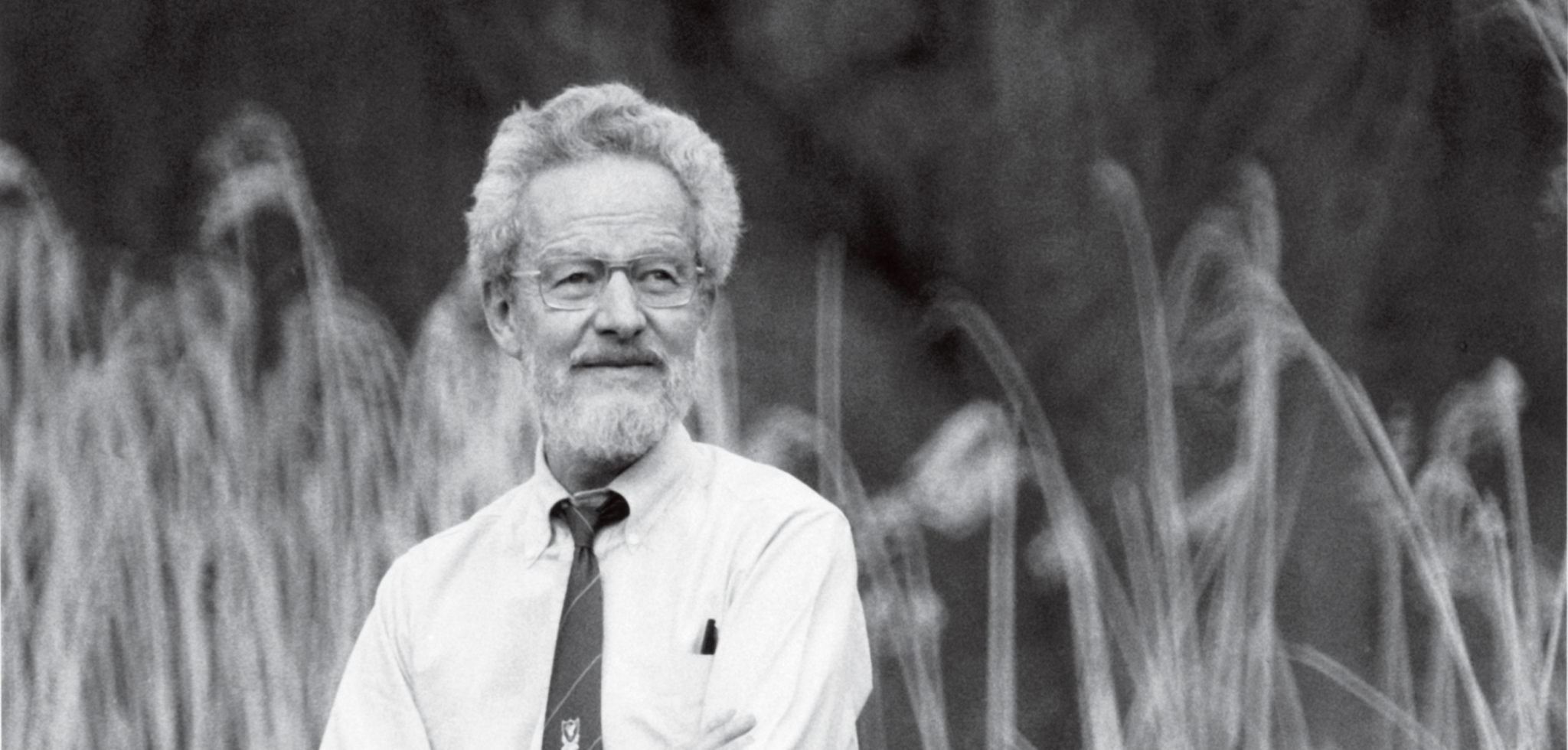
J.I. Rodale emphasizes the vital connection between organic farming, soil health, and public well-being. While some of his health claims may be met with skepticism and should be met with skepticism, he raises an important point—everyone should be conscious of what they consume, where it comes from, and how it’s grown. Healthy soil leads to healthier food, which ultimately supports a healthier society. As the old saying goes, “You are what you eat.”
I thought that this podcast expanded on what we had learned in class through reading about J.I. Rodale. Much of the information discussed I already had a general understanding of but I found the analysis of how he gained his notoriety within the organic farming movement interesting. I liked how you broke the podcast into different sections, making each stage distinct. I also liked how you opened with his death as a way of engaging the listener. I don’t have any specific critiques for the content as I feel everything was well explained and I think that breaking it up into 3 specific sections helped with pacing.
(A) After persistent health problems prevented him from joining the military, Jerome Irving Rodale founded a manufacturing company before developing an interest in agriculture. During the Great Depression, he relocated his business to Emmaus, Pennsylvania, where he immersed himself in organic farming and food advocacy. He found himself invested in organic agriculture, and found it as the solution to his health problems. Rodale rejected industrial methods in favor of what he called “natural science,” dedicating himself to publishing and promoting organic agriculture as both healthier and more ethical. This passion led to the creation of the Rodale Institute, an agricultural science institution that still exists today.
(B) I appreciated your inclusion of Rodale’s own words—“Public health should take precedent over agricultural profits” and that “he viewed organic farming as a moral duty.” Including his own perspectives help the audience see the vision and motivation behind his work, rather than what you just tell us. Highlighting the Rodale Institute’s legacy was also excellent. Having decades of history behind it, the Institute remains a cornerstone of organic systems research and was even represented at our our NSFFC.
(C) Your enthusiasm is clear, but the delivery felt tentative, which made it difficult to follow at times. While the “Part One, Two, Three” labels signaled structure, the transition music and introductions disrupted the flow. Maybe a transition statement before sections. Also, introducing each voice clip with a thesis statement would help listeners understand its relevance before hearing it—treat them like block quotes. Using audio to support *your* profile rather than stand alone as its own argument.
A) I learned about Rodale in a more specific manner compared to class, which I found insightful. His work on longevity by looking directly at soil health in correlation to human health is what drove him to praise for organic agriculture.
B) I liked how you included the clips of Rodale’s own words, I thought it fit nicely in the podcast.
C) I thought that maybe having a more fluid podcast could have been done. Such as the “part 1, part 2…”
This podcast taught me about the end of Rodale’s life and how he got there, including what he contributed to agriculture. He believed in a holistic approach to health and had an opposition to science and Western medicine. In a similar vein, he condemned any chemical-based additions to farming like pesticides and fertilizers. The Rodale Institute was one of his biggest legacies, as explained in Part 3. I appreciated the focus on educating students about not only how to farm organically, but why it’s important.
I enjoyed the addition of Rodale’s son speaking; I thought it was relevant to the story and well-introduced.
I’m unsure that the time spent at part of the podcast talking about his death is necessary; it might be beneficial to move into the profile more quickly. There’s a long pause between Parts 1 and 2 that takes the listener out of the podcast. The parts may not be necessary either, it may have a better flow to transition naturally with words or music. I’d also like to know more about the controversies surrounding Rodale and the impacts that had on his legacy.
I thought this podcast was great, as it started immediately with a fantastic hook, diving right into the story. The transitions between your audio and the audio from Rodale was impressive as well. The podcast emphasized Rodales death and the impact his life and work has had on everyone. The Podcast starts with Rodales death, and then goes back to speak about his life and upbringing. I thought this was a an interesting and fairly effective way to hook someone into a podcast. I learned a lot about Rodales impact on organic farming and consumption throughout this podcast. I think it was a little hard to follow in some areas, as it jumps around a lot in terms of his work, but I did enjoy the podcast.