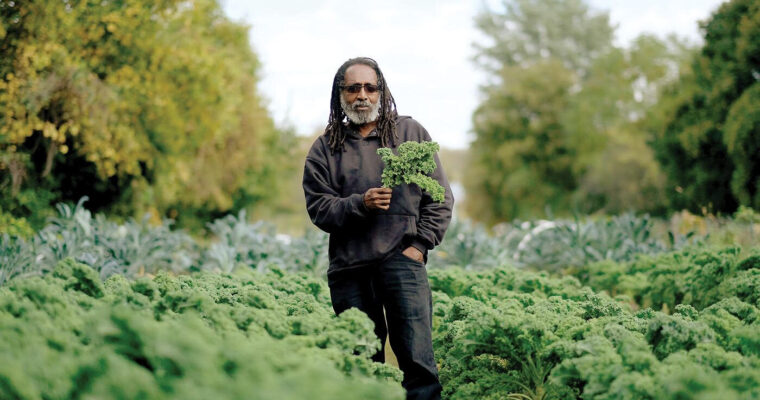
I chose to introduce Malik Kenyatta Yakini, a pivotal figure in transforming Detroit’s post-industrial decline into a blueprint for Black food sovereignty. The 1967 Detroit Riots led to a racialized-exodus of capital and people; the city’s shrinking population, empty storefronts, and soaring poverty rate created …
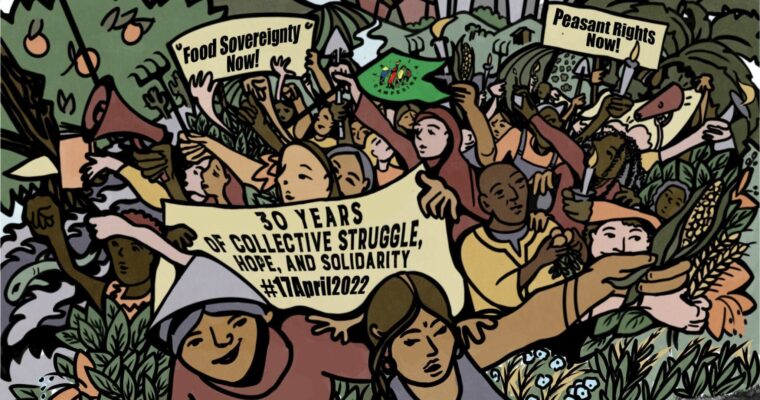
La Via Campesina is a powerful, grassroots movement committed to achieving its main goal: Food Security worldwide. “La Via Campesina” translates to “The Peasant’s Way.” This organization emphasizes the word “peasant” because they see it as an honorary title, and that one who is a …
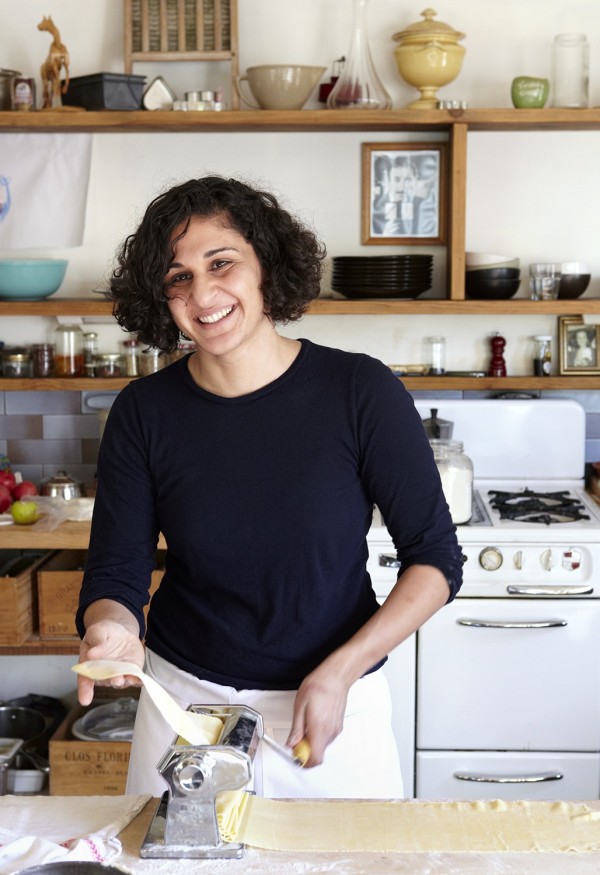
This podcast explores Samin Nosrat’s work to educate people on food, culture, and cooking as a whole; While demonstrating this through her intrinsic practice with food, rather than the typical view of cuisine from Americans. She is the author of Salt, Fat, Acid, Heat, the James Beard Award-winning cookbook that became a New York Times bestseller and a Netflix Documentary series. We see how her upbringing as an American-Iranian shaped her views on culinary practices, and her groundbreaking moment at “Chez Panisse” —Which confirmed her decision to follow her dreams in the cooking world. This eventually brought her to Italy, learning from top-class chefs on cooking and the holistic ways of culinary food. It was soon enough until she came to a realization to the main pillars to cooking—Salt, Fat, Acid, and Heat. This is what motivated her journey to becoming a best-selling author and part of Netflix series. This way, she had the opportunity to educate Americans of the intrinsic nature of cooking, and how cultures are deeply important in learning about these techniques. These four pillars are intrinsic and natural to many cultures around the world, and her realization came to teaching Americans about this. In her Netflix series, she travels to Italy, Mexico, California and Japan and integrates her four groundbreaking pillars to each tradition. Samin also puts an emphasis on community and bringing people together when it comes to food—and what that really means. Her perspective on food and understanding culinary cuisine serves a great guide for Americans to learn through her lens—and what it means to cook with love. All around the world, we see how culinary food is brought from generational knowledge, where the core values and skillset is intrinsic. Samin Nostrat serves as the educator to Americans who never got to gain this perspective of food growing up. Her work gives the audience an opportunity to shift from marketing muppets of the industrial food system, to learning behind what food really is at its core—the intrinsic values that bring people to health and longevity.
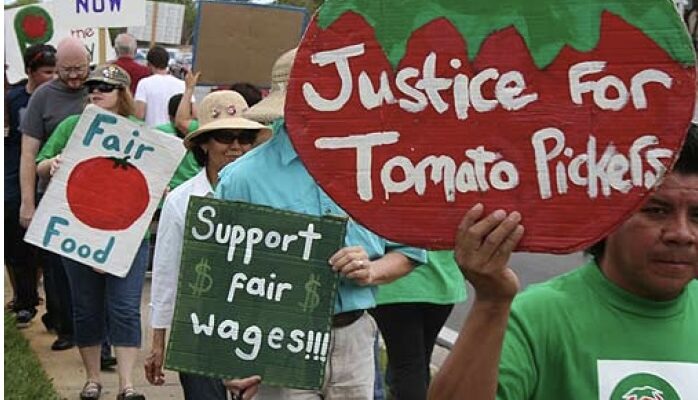
This podcast addresses the Coalition of Immokalee Workers or the CIW. This is an organization of farm workers started in 1993 in Immokalee, Florida that was looking to achieve better rights, conditions and wages for migrant workers on tomato farms in Immokalee, Florida. While they …
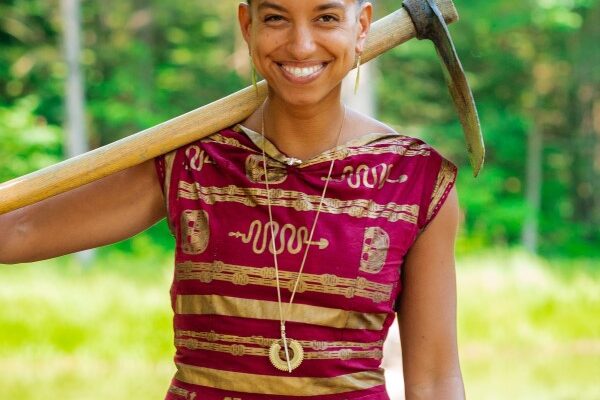
Leah Penniman is a Black Creole farmer, educator, and food justice activist whose work has become a cornerstone of the movement for racial equity in farming and land stewardship. This podcast explores Penniman’s journey from alienation to activism, and the creation of Soul Fire Farm, …
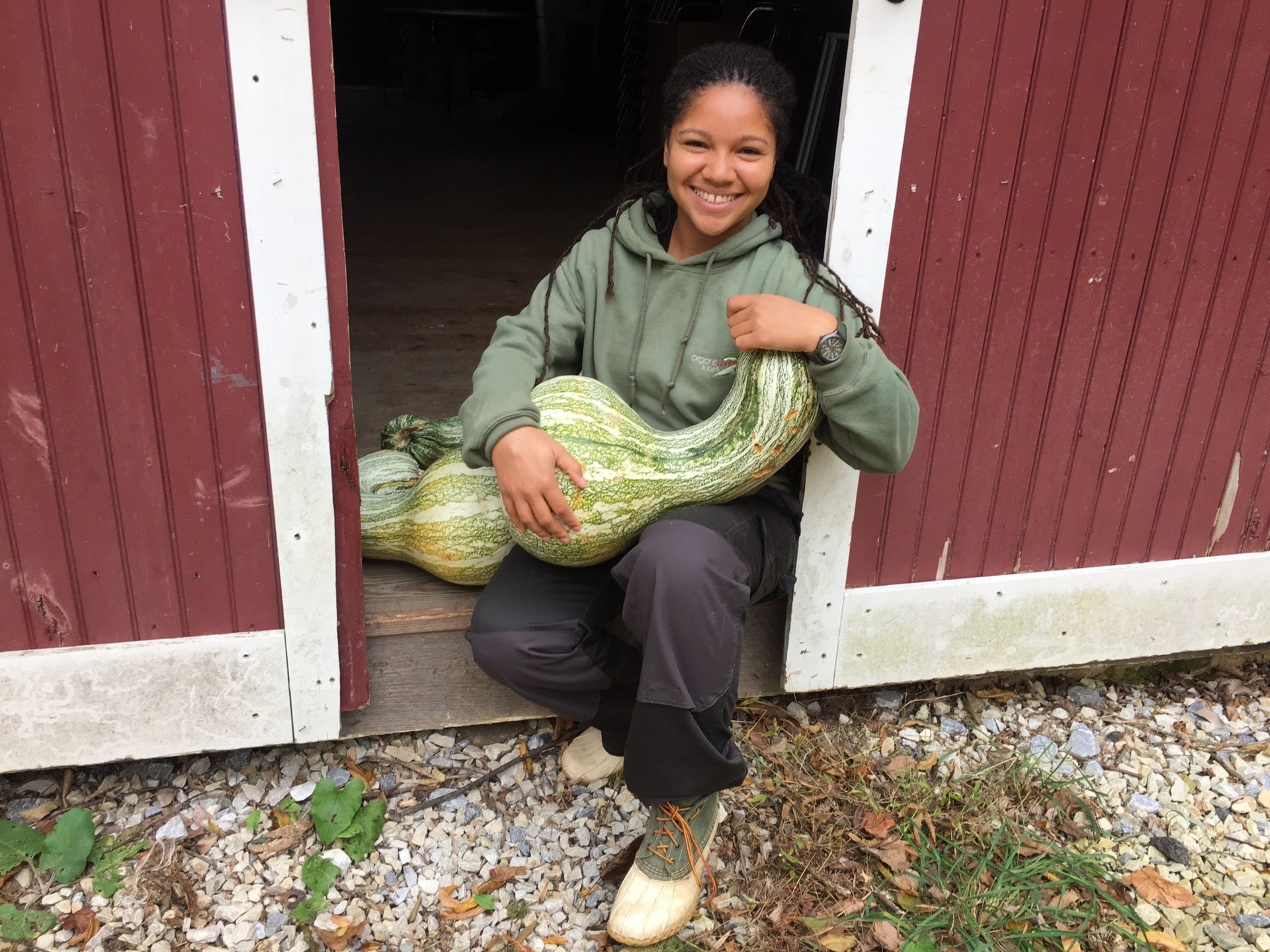
This podcast explores Amirah Mitchell’s early life and how it informed her career path as well as the practice of seed keeping itself. The goal of this podcast is to inform the listener about seed keeping with the life and experiences of Amirah Mitchell as a guide. Her journey from being a young child playing in the forest to an apprentice seed keeper to founder and owner of Sistah Seeds is not only inspiring but informative. The podcast takes the listener through Mitchell’s life, stopping at major events to expand and connect to broader ideas. There were a few events that were crucial to Mitchell’s development and career path, specifically her experience speaking with Ben Burkett and subsequent shift towards seed keeping. Her education at Temple University in horticulture gave her the skills necessary to work at both Truelove Seeds and Greens-grow Farms. Utilizing work experience and education as stepping stones, Mitchell started her own business, Sistah Seeds, in 2021. The business is young and she is looking to move her farm to land with a richer Black community. An undercurrent that follows through the entire podcast is seeds as resistance and connection to culture and history. Also included in the podcast is a short explanation of how to seed save at home as well as resources available for more in depth information.
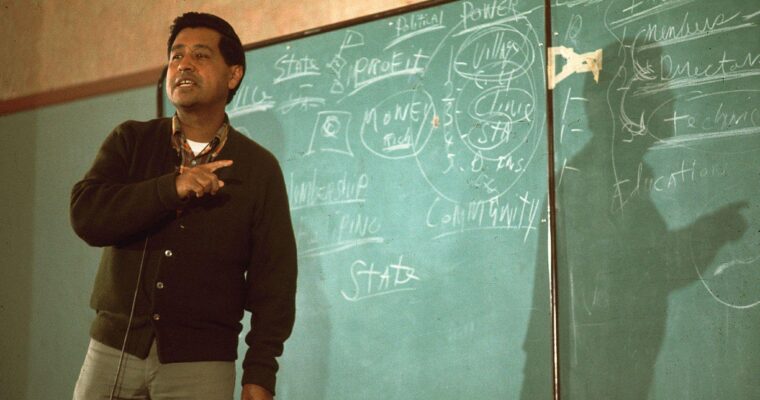
I chose to introduce Cesar Chavez, one of the key figures in creating the United Farm Workers (UFW) and a foundational leader to the modern farmworker movement. His labor union accomplished what no other agricultural movement had: securing a truly progressive labor law in an …
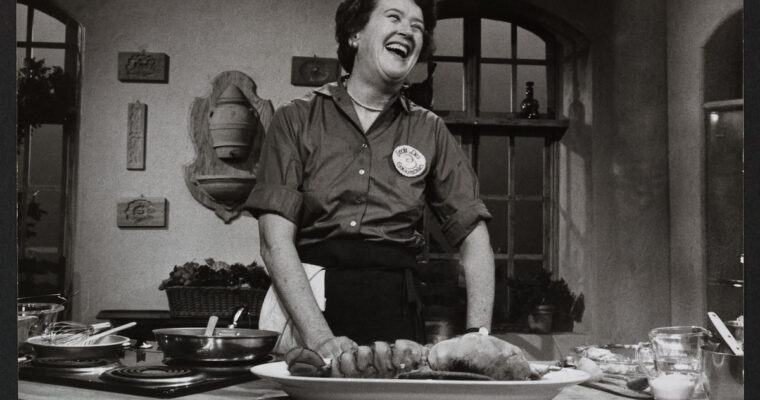
Have you ever wondered why Americans often see food as a chore, while the French “dégustent” every meal with joy and appreciation? Today, we’re diving into the story of a woman who changed the way America cooks—Julia Child. She wasn’t just a chef; She brought …
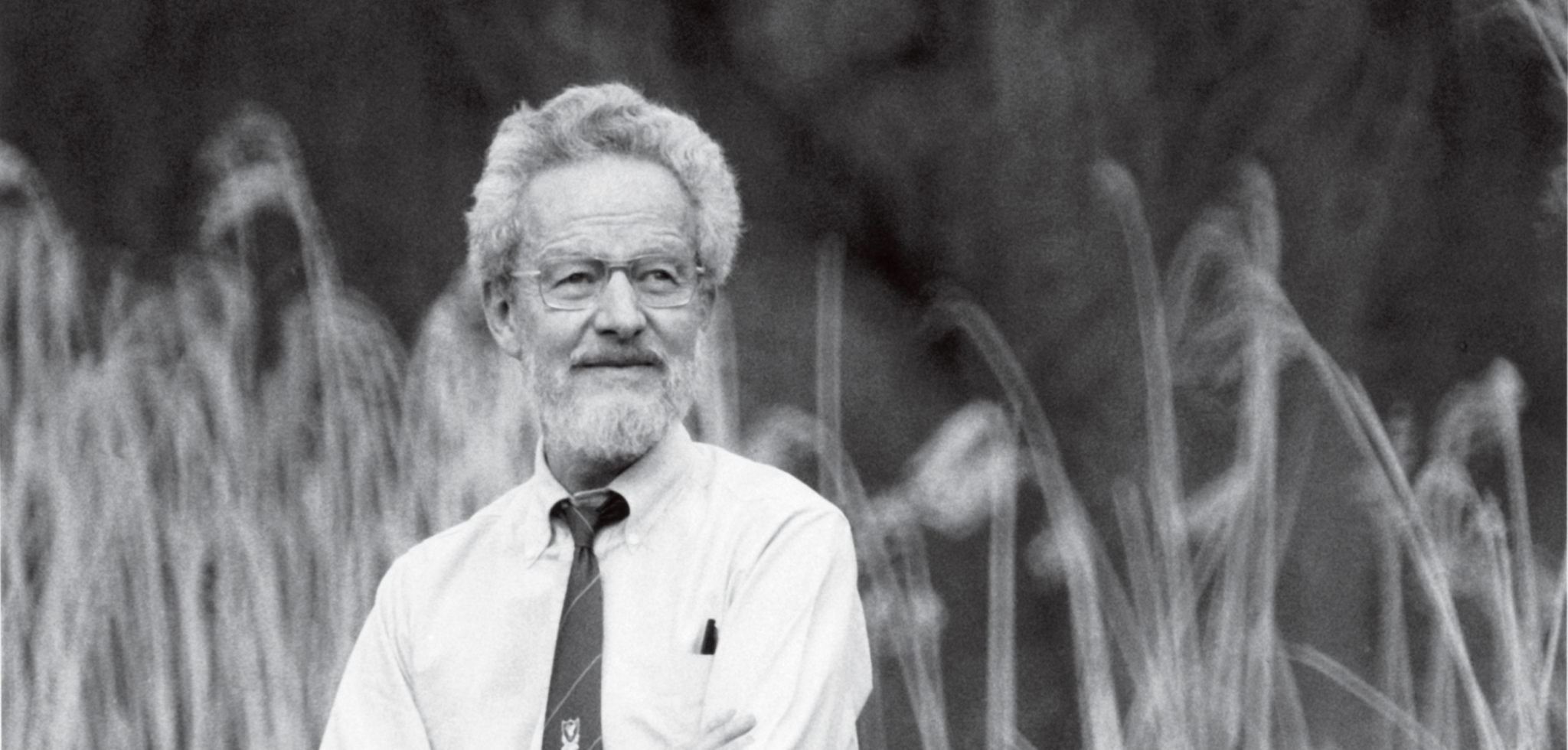
J.I. Rodale emphasizes the vital connection between organic farming, soil health, and public well-being. While some of his health claims may be met with skepticism and should be met with skepticism, he raises an important point—everyone should be conscious of what they consume, where it comes from, and how it’s grown. Healthy soil leads to healthier food, which ultimately supports a healthier society. As the old saying goes, “You are what you eat.”
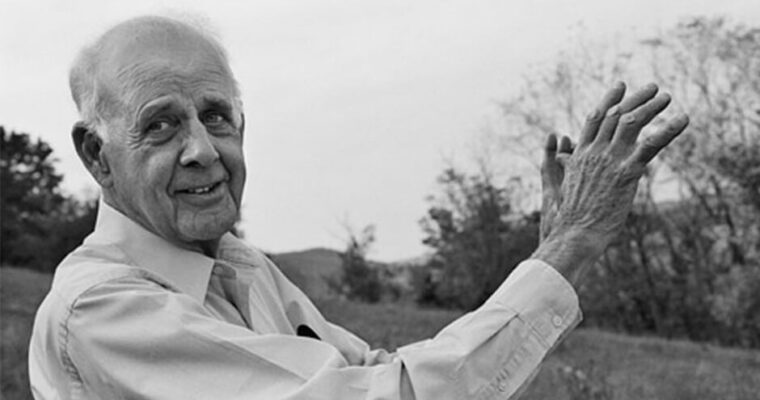
Wendell Berry is widely recognized as a farmer, environmentalist, and advocate for sustainable agriculture, but his greatest influence may come from his literary works. Through poetry, fiction, and essays, Berry has shaped environmental thought, agrarian movements, and the local food movement. His writings emphasize a …