I have decided to work with the area that overlooks the river in the side entrance of the WVAB. This site brought about much curiosity through different conversations that had taken place with the visiting artist as well as with Professor Jim Toia. The conversations revolved around the contamination and pollution that once was present in the Delaware river and how through different efforts it has been restored. The effort put into making sure the water became healthy again just reiterated the need of care and dedication needed from our part to be able to create a healthy and clean environment. As a whole thinking about the change that has been witnessed by those who have been around for a while made me think of the gravity of the issue on a global scale. It made me think of the different efforts from organizations that have tried to help the existing situation of the water pollution today. One of the first things that came to mind were plastic grocery bags. Essentially this is the reason as to why I chose this location.
Month: September 2019 (Page 1 of 2)
A site-specific artwork is an artwork that carries special meanings in certain contexts it’s placed at. It could vary from sculpture, sound to performance. Site comprises a unique combination of physical elements, such as depth, length, weight, height, shape, walls, temperature. The artists utilize these physical elements to convey a message to the audience, or let the audience participate into the work created. The connection between site and art is the key to site-specific artwork.
Doing research of chairs in artists’ work gave me a better understanding of the chair’s generic form and what kind of self-expressions could be embodied into the work of art. After seeing the paintings of artist Xuhui Mao, I realized how closely one’s identity could be associated with the works he or she created. And this triggered me to create a series of chairs associated with my memory of childhood, teenage years and college life.
Site-specific art, is art that is created solely for that location. The artist creates the piece with the location in mind. Often the point of site-specific art is to create something that interacts with its surroundings, and really elevates the space that it is in. The idea of site-specific art is that if one were to remove the art from its location and move it elsewhere, it would lose its meaning. Artist Robert Irwin was one of the first artists to promote the term site-specific art. Some examples of art specific works are Condensation Cube by Hans Haacke, and The Gates by Christo and Jeanne-Claude.
According to tate.org, “a site-specific work of art is designed for a specific location, if removed from that location it loses all or a substantial part of its meaning”. Site-specific work integrates itself into its surroundings becoming a part of the location. It is created with this location as a part of the work to be exhibited rather than other works that can be displayed almost everywhere. It includes the environment into the work. Usually, site-specific work is related to environmental work, artists tend to utilize the environment into their work. An example of this would be Spiral Jetty by Robert Smithson, which is Built on the northeastern shore of the Great Salt Lake in Utah made up of mud, salt crystals, and basalt rocks. The work forms a 1,500-foot-long, 15-foot-wide counterclockwise coil jutting from the shore of the lake.

The work created for a site-specific location cannot be moved or altered, as it loses its original meaning. Another example of a site-specific work would be Christo and Jeanne Claude’s The Gates. The artists installed 7,503 vinyl “gates” along 23 miles of pathways in Central Park in New York City. These bright orange arches with fabric hung throughout New York City’s central park for about a month and were taken down shortly after. Christo and Jeanne Claude were responsible for a lot of site-specific artworks including the Wrapped Reichstag and the surrounded islands. Site-specific works don’t necessarily have to be outdoors, but they need to be a signific part of its environment.
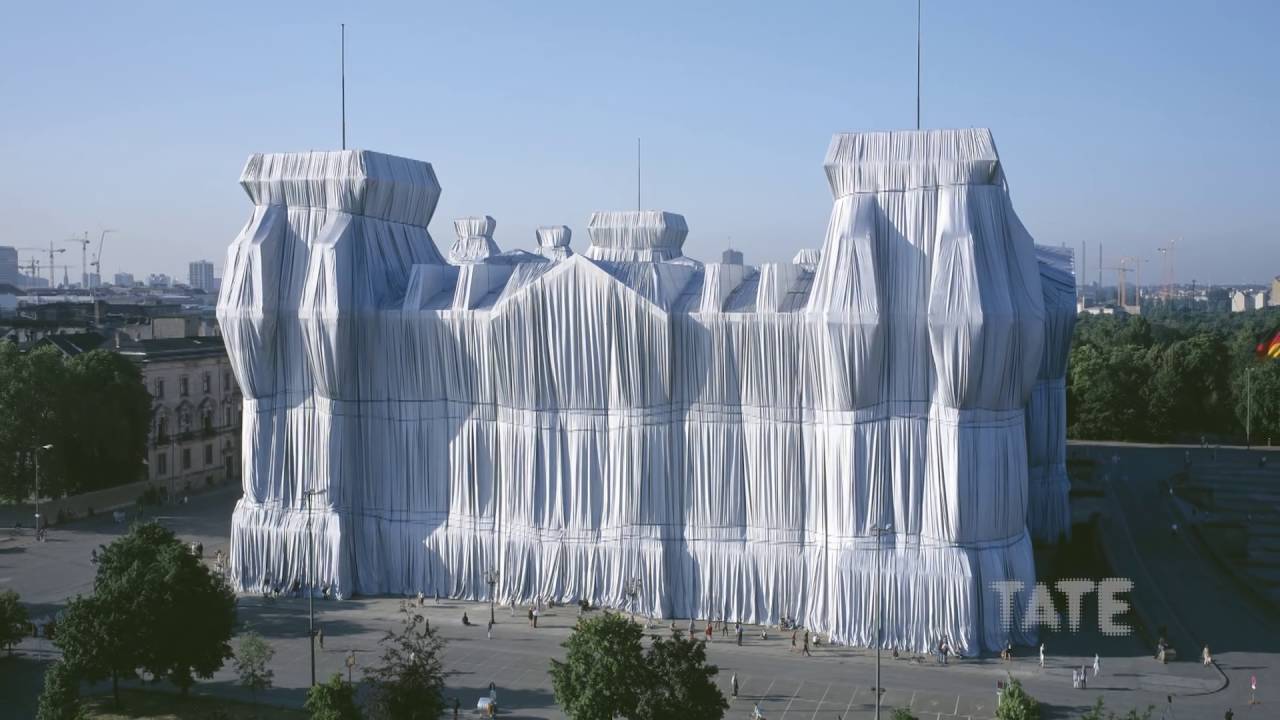
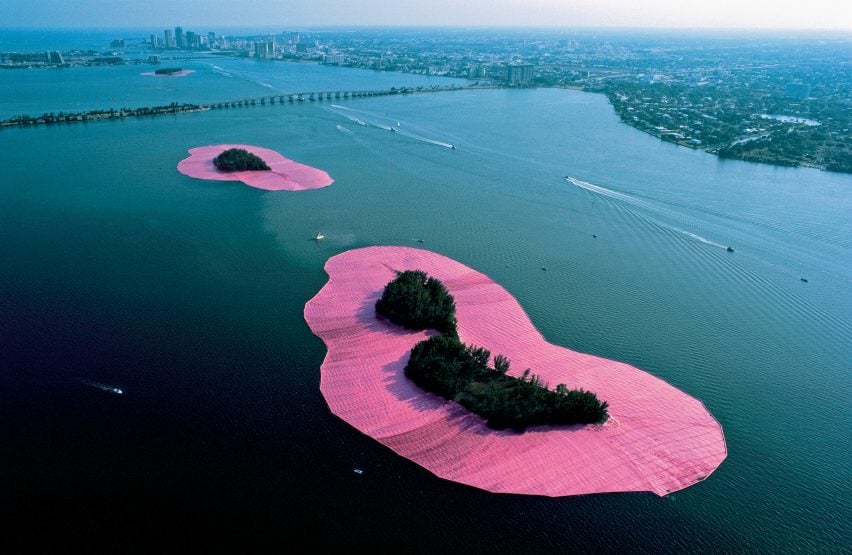
Site-specific artwork essentially means that a piece is created with the intention of being present in a particular location in order for the art work to truly exist. Without the location, a site-specific artwork would not be able to be completed nor truly take on its true meaning and true final form. With site-specific artwork the artist must be cognizant of the relationship that is created between the creation itself and the location it is placed in. The location is one of a kind so that the work itself and the setting in which it is place in, become one and essentially inform one another of their co-existence and work in unison towards a specific goal or meaning.
- The author pointed out that taking offense as a rationalization for censorship is inappropriate. The right to define art belongs to everyone, but not only one community. The development of art would be refrained if people always take the moral high ground in criticism. “There is a deeply puritanical and anti-intellectual strain in American culture that expresses itself by putting moral judgment before aesthetic understanding.”
- The explicit equivalence between representation of a black boy in the painting and lynching activity is not logical. The painting, compared to the lynching happened decades ago, is much more abstract and well-intended.
- The right to speak for the whole black community should’t only be defined by the black community since they are not necessarily the most educated people on racial problems.
- We need artists and curators who lack formal opportunities to engage with critical race discourses and histories of anti-racist cultural production.
Dana Schutz recently has come under controversy after she depicted an image of Emmett Till and Black suffrage. The most critical critique Schutz encountered is described by Andrew Moisey as her inability to understand the concept of white production and gaze. Moisey describes the scenario in which Schutz work is put into retrospect, a white artist attempting to not only relate the black suffrage by also profit from it through her work.
Schutz believes he work is justified because she was attempting to relate but Moisey states she is crossing an ambiguous line of what white artists can and cannot do anymore. Moisey bring another piece of work into comparison J.M.W. Slave Ship of 1840, and compares how both works are done in similar practice but serve different purposes. For instance, Moisey describes Turner’s piece as an artifact, a historical archive in which Turner used his privilege to return an reflected gaze to the audience. The imagery is to capture a historical moment and make the viewing experience more reflected and critical and less abstract and artistic like Schutz Open Casket. The difference between the two described by Moisey shows how tedious it is to circumspect these issues in the ever evolving art community.
The article I was assigned, “Censorship, Not the Painting, Must Go” addresses artists that are highly criticized for cultural appropriation. The debate is centered around “how artists and curators of all backgrounds represent collective traumas and racial injustice”, which is a sensitive subject for many because the audiences who are viewing these works are so broad. However, there are various different views on this issue, some supporting the artists and others attacking the artists. For instance, the letter written by Hannah Black (a black-identified biracial artist) to Dana Schutz (a white American), the author of “Open Casket”, addresses this issue. In the letter, she expresses that this kind of exploitation should not be considered art and therefore should not be seen by the public. She argues that by recreating this image, the artist is portraying her support for this horrible execution of a young black boy, referring to it as “white insensitivity”, and that the work should be destroyed. On the other hand, the author of the article, who provides a teacher’s point of view, disagrees with this point of view, saying that the destruction of a work of art should never take place, regardless of certain opposing viewpoints. A counterargument that the author makes is that Black does not consider the fact that many black artists have also depicted black trauma, such as enslaved bodies, lynching, and imprisonment without facing any criticism for producing these works. Overall, the article addresses the stance of someone speaking out against these works and offers an opposing view, which allows us to comprehend both sides and formulate our own opinions on the issue.
Recent Comments