Amirah Mitchell: a profile by Ellie Walsh
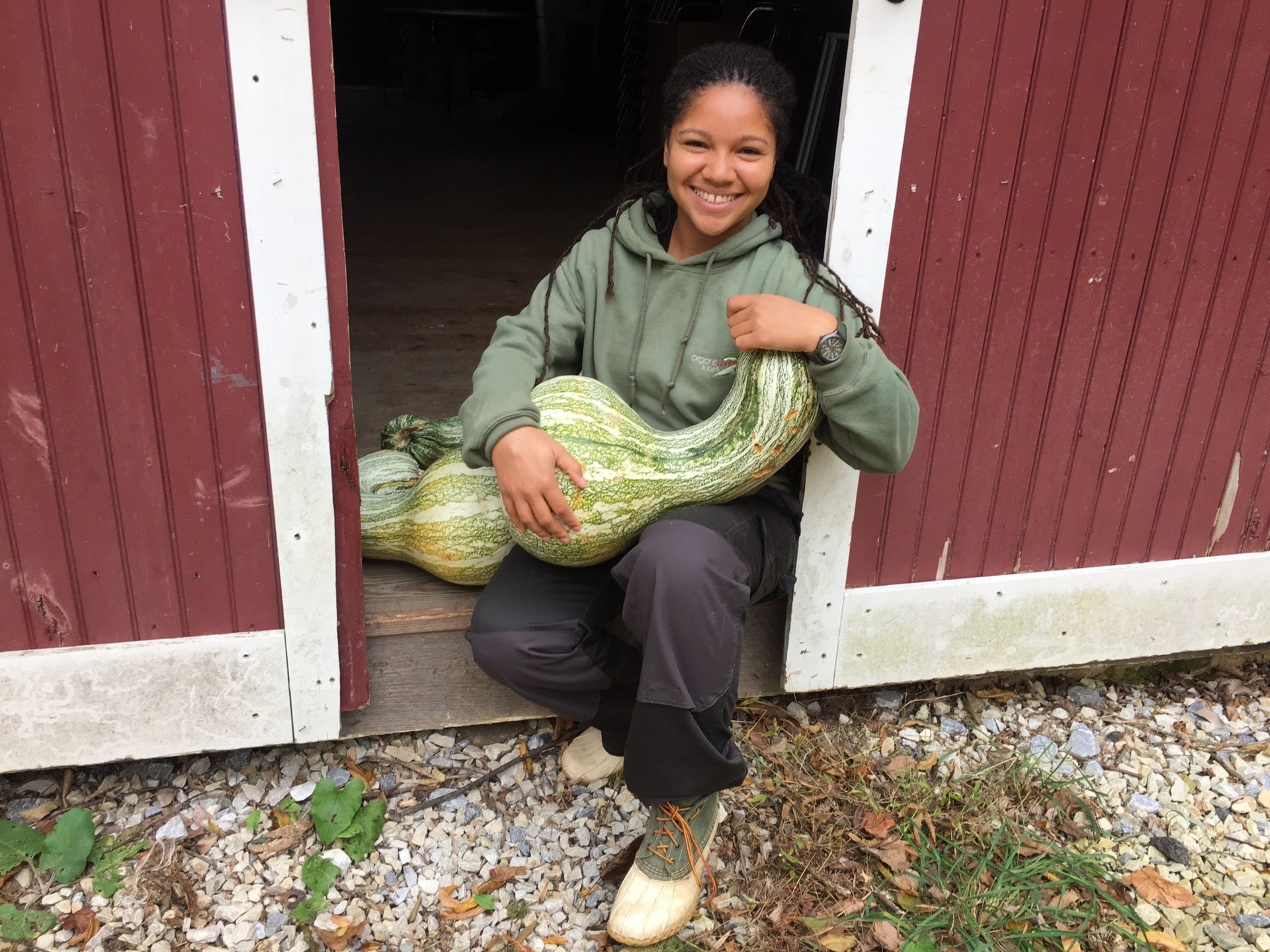
This podcast explores Amirah Mitchell’s early life and how it informed her career path as well as the practice of seed keeping itself. The goal of this podcast is to inform the listener about seed keeping with the life and experiences of Amirah Mitchell as a guide. Her journey from being a young child playing in the forest to an apprentice seed keeper to founder and owner of Sistah Seeds is not only inspiring but informative. The podcast takes the listener through Mitchell’s life, stopping at major events to expand and connect to broader ideas. There were a few events that were crucial to Mitchell’s development and career path, specifically her experience speaking with Ben Burkett and subsequent shift towards seed keeping. Her education at Temple University in horticulture gave her the skills necessary to work at both Truelove Seeds and Greens-grow Farms. Utilizing work experience and education as stepping stones, Mitchell started her own business, Sistah Seeds, in 2021. The business is young and she is looking to move her farm to land with a richer Black community. An undercurrent that follows through the entire podcast is seeds as resistance and connection to culture and history. Also included in the podcast is a short explanation of how to seed save at home as well as resources available for more in depth information.
In your podcast I liked the mention of how a person’s upbringing, surroundings, culture and familial relationships can affect the context in which they view foods. As we have discussed in class, you talked about the larger ancestral and familial relationships that play a role in farming, which makes black farmers part of a larger effort, not just working for themselves but being part of a larger food justice movement. I found the topic of seed saving to be interesting and it made me think about how many corporations are trademarking different varieties of seeds and crops so that farmers cannot save the seeds and have to repurchase them each year. Mitchells practices and the general practice of seed saving is working against this, helping historically marginalized communities have more sovereignty in what they grow and eat.
I really appreciate that you provided a full background on Amirah Mitchell. What’s often lost when we study historic figures is an understanding of how their interests were formed, but Amirah is a contemporary figure. Learning about her childhood and family background invites us to reflect on our own lives: how do our personal experiences shape our professional interests? Her mentorship with Ben Burkett is just as compelling and important. As you noted, “resources like the Food Project and people like Ben Burkett don’t appear accidentally and are part of a larger food justice effort that needs support to stay alive.” Detailed in my own profile on Malik Yakini, any project in our current foodshed takes considerable effort and dedication to survive beyond its germination period.
I also appreciative learning more about seed saving, especially through Amirah Mitchell’s perspective. You shared that she intentionally plants seeds with cultural and historical significance, including cushaw squash—seeds her great-great-grandfather once planted, which were later saved and cultivated in southern Appalachia. I think that squash appears in the photo you selected, which was a great choice.
I liked how you opened this podcast with audio from Mitchell speaking. I found it interesting how Mitchell founded Sistah Seeds, her own business, which is based in the Lehigh Valley, making it hit close to Lafayette (literally). Like you mentioned in the podcast, where we come from determines who we are and helps shape us in the future. I enjoyed learning about how, for Mitchell, especially, food was a personal and cultural thing of importance to her. She gained insight from people in her family who had farms, and she used that along with the history of her family and culture to help fuel her passion for farming and food. Overall, I really enjoyed learning more about Mitchell and her determination for agriculture and food.