Cesar Chavez: a profile by Harrison Zoller
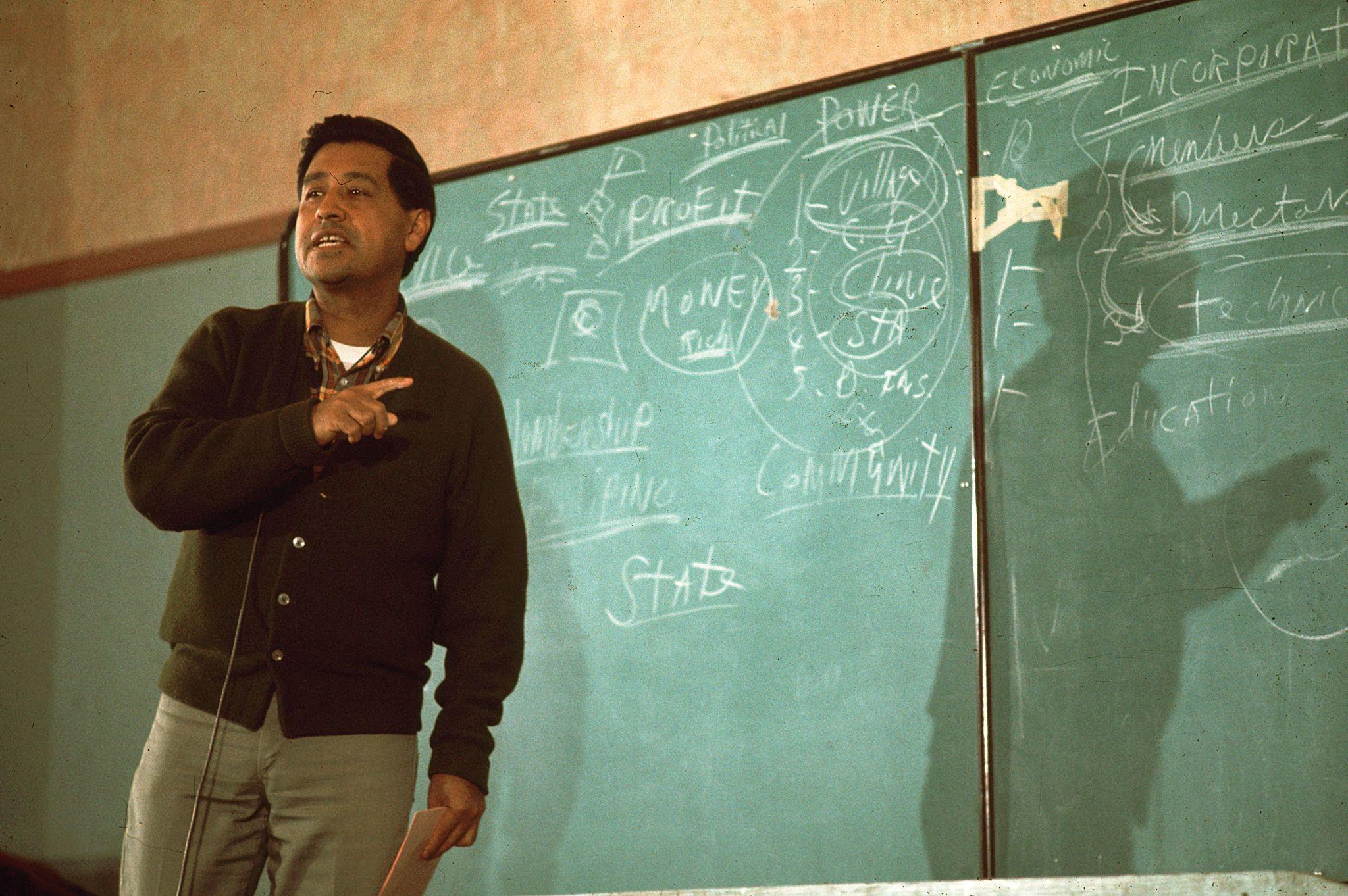
I chose to introduce Cesar Chavez, one of the key figures in creating the United Farm Workers (UFW) and a foundational leader to the modern farmworker movement. His labor union accomplished what no other agricultural movement had: securing a truly progressive labor law in an industry that had long resisted legislative change. This was achieved through the California Agricultural Labor Relations Act of 1975, which guaranteed farm workers the right to organize and bargain collectively, empowering them to unionize and establish standards for their employment. The act came after Chavez orchestrated non-violent protests in California’s Central Valley and educational efforts across the United States for more than a decade. Although I have a deep interest in Chavez’s independent initiatives, including his 340-mile march from Delano to Sacramento in 1966 to raise awareness for farmworker rights, his 25-day hunger strike in 1968 to highlight the food insecurity experienced by farmworkers, and his “Wrath of Grapes” campaign against pesticide use on farmworkers in 1986, I ultimately chose to focus on the quintessential farmworker movement orchestrated by Chavez: the 1965 Delano Grape Strike.