The National School Lunch Program: a profile by Ellie Walsh
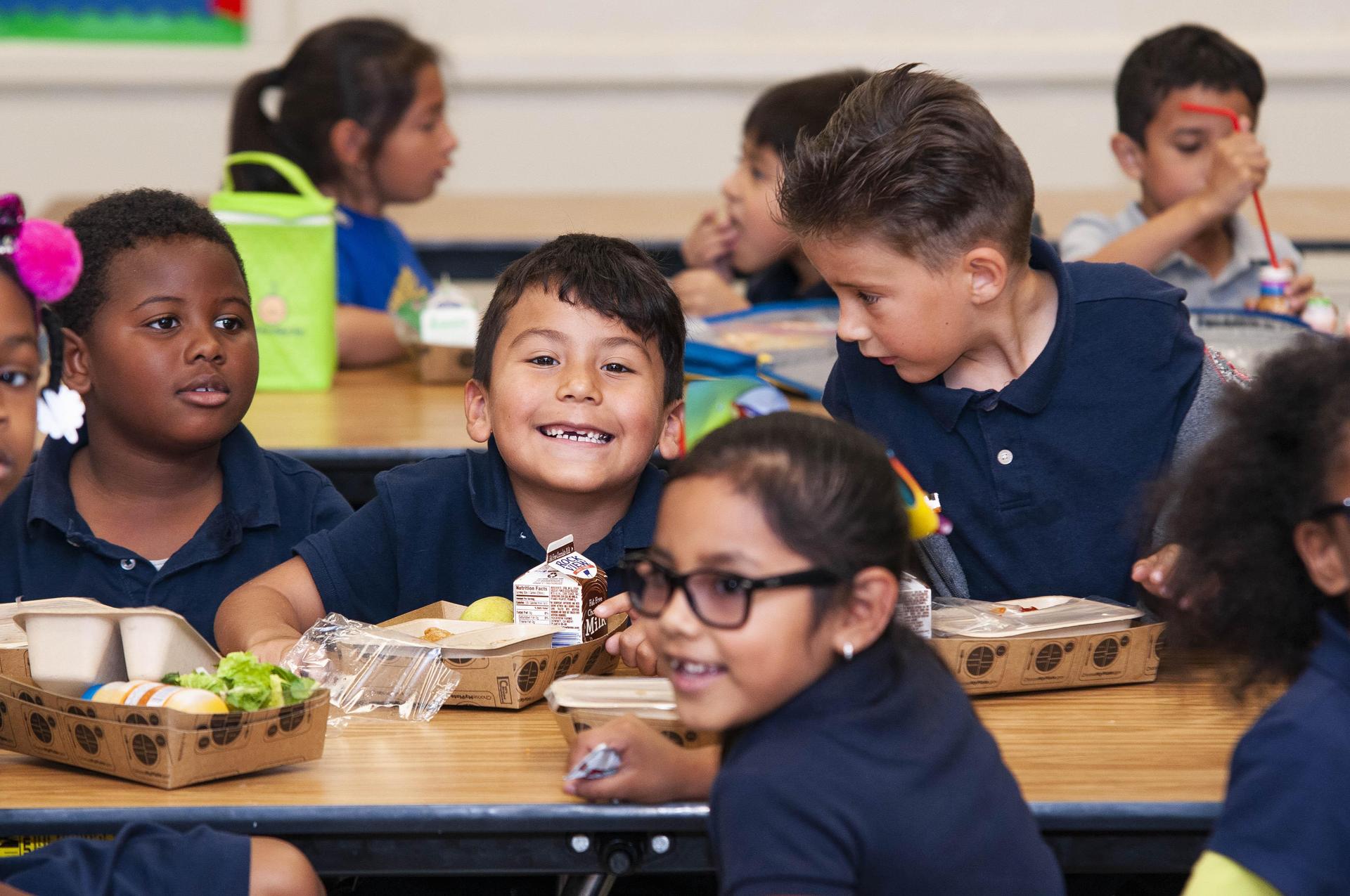
This podcast explores the history of the National School Lunch Program and its impact on American school meals – often perceived as gross, unappealing, and mass-produced. The podcast takes the listener through the evolution of school lunches, starting with penny lunches, and brings them all the way to the passage of the National School Lunch Act in 1946. The historical timeline of the program is tied in with broader United States food history, such as the industrialization of agriculture and the beginnings of the industrial food system that we know today. Attitudes towards nutrition have also shifted since the genesis of school meals. From this podcast, a listener will learn the basic history of the National School Lunch Program as well as a brief introduction to the issues present within the program today. The goal of this podcast is to inform the listener of the history of the program and make them think about how it relates to current events. Hopefully, they’ll feel motivated to draw upon their own experiences with school lunch and think about how their decisions affect the hunger of children in schools.
(A) We’ve discussed industrial agriculture throughout this class, but it’s interesting to learn about government intervention/takeover in small-scale initiatives. You trace the history of the National School Lunch Program from a teachers, concerned for their students, created nutritional options to a fiscally-challenged government program. That meal programs were originally run by women’s clubs, parent-teacher organizations, and other community groups highlights how intimate our foodsheds were before agricultural industrialization. I found the point about blurring the boundary between home and state particularly interesting. Mandatory school attendance placed stress on what had once been a selfless act. By losing the connection to home-cooked meals, school lunches became as mass-produced as the commodity crops they contained.
(B) I thought the script was excellent. The conversational tone made it easy to follow several decades of political and social change, and making deliberate citations was especially helpful. Naming specific article titles and USDA investigations gives me clear direction if I want to learn more about your topic.
(C) I wish there had been a more points on how the program has changed since President Truman signed the National School Lunch Act in 1946. There’s a large gap between that era and the Trump administration. Also, what was Michelle Obama’s role in school-lunch reform? I remember social media backlash to her changes, in part because students missed less healthy options. It would have been a interesting to explore how student preferences have shifted alongside changes in school-provided meals.
A) I learned more about how the National School Lunches came about. That first they were not funded by the government but instead by different groups including parent-teacher groups.
B) I liked that you added a clip within your presentation. I also liked that you added a response to the beginning which was an answer to the question along the lines of “what do you think of when you think of school lunches?” That is something that we can all connect to.
C) I wish you talked more about Michelle Obama and all the backlash that she received around school lunches . Also, I think that you could have added a case study of a school to show the audience a real life example of how school lunches effected children.
As someone who grew up largely eating school lunches I thought that it was very interesting to hear how they were first utilized and came to be what we know today. I thought it was interesting to learn about how the creation of penny lunches came from a teacher who wanted to help her students and how much it grew just a few years later to be in 46 US cities. It was also interesting how most early school lunch programs were the work of parents and women’s groups, providing a much greater variety of options to the students than we have today regardless of the funding that is provided now. An area I thought could be focused on would be more exploration of what school food programs are like today and how they have either improved or worsened through recent legislation.
I though the hook was relatable and fun, asking one of your friends their opinion. I grew up bringing food from home, quite literally because of what this podcast describes. The unhealthy and sometimes minimal amount of food was clear, as well as the food was always unappealing. I thought it was very interesting how the food only changed because of teachers or clubs in these schools that are fighting for something different. It is true that the safety of food seemed rough, as the food it always the bare minimum required, with chefs that are generally working a low paying job. I thought this podcast was very interesting and relatable, as growing up my public schools food system was generally seen as pretty bad, and heavily critiqued for what they served. I think an improvement to the podcast could be a little less monotone voice, and perhaps a bit more accentuation on certain parts that are depicted as important. Overall, I enjoyed the listen very much though!