RECOMMENDATIONS
Through our interview with school teachers and a survey of programs that introduce non-traditional concepts to school students, we found the need for a comprehensive, accessible, and engaging system. One recommendation is a web page that is co-developed by Lafayette’s students and Professors and Easton Area Middle School teachers. The following points describe the structure and usage of the website:
- As mentioned above, Lafayette College Professors and students will work with middle school teachers to create a collection of packets containing: a) the lesson plan, b) resources for the teacher, and c) materials needed (such as Play-Doh, markers, electrical components, etc.)
- Through time cushions and optional discussion questions, the lesson plans ideally will account for organic engagement with students in their specific context (interests, demographics, and experiences). Some topics (as mentioned in the figure) would be “Who, What, and Where of Breakfast Cereal”, “Algorithms and Automation Beyond TikTok and ChatGPT”, and “What is Technological About a Toilet”.
- Middle school teachers and college students organizing outreach programs will download the packets and conduct the lessons.
- An additional recommendation is that the website can also be available on mobile devices and in non-English languages.
- The lessons will be advertised through LafKid Connect and Engineering Studies websites, as well as a direct invitation to middle school engineering and science teachers to contribute to, or utilize, the resource.
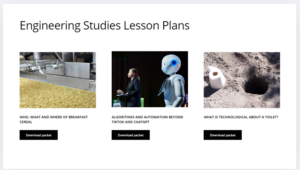
Figure 6: Initial outline of the website structure.
CHALLENGES
In executing our lesson plan, we encountered challenges that have become considerations for our recommendations and future lesson plan designs. These included managing the attention and participation of the students, working with our level of teaching experience, and gauging levels of comfort with topics such as toilets. In the recommendation and lesson plan creation, we also found it challenging to create space for spontaneity, which is a prized aspect of learning. We hope to limit excess structure for this reason.
CONCLUSION
In conclusion, by introducing middle school students to the sociotechnical framework through relatable and practical examples, we aimed to bridge the technical concepts and social implications. The lesson on “What is Technological About a Toilet?” was an effective prototype to explore how engineering within the sociotechnical framework made the topic accessible and relevant. This holistic approach helped reimagine how engineering is taught in outreach programs and inspired curiosity. It encouraged middle school students to realize that engineering is a tool to solve pressing 21st-century challenges, but only when seen as a sociotechnical system.